TMS Symptoms: The Full List and What to Check First
TMS (Tension Myositis Syndrome) can show up almost anywhere in the body. Back pain is the classic symptom. Neck pain, sciatica, headaches, wrist pain, jaw pain, pelvic pain and gut trouble are common too. The pattern matters more than the location. TMS pain tends to move, flare with stress and outlast any normal healing time.
Quick note: on this site, TMS means Tension Myositis Syndrome. It has nothing to do with transcranial magnetic stimulation, the depression treatment that shares the same initials.
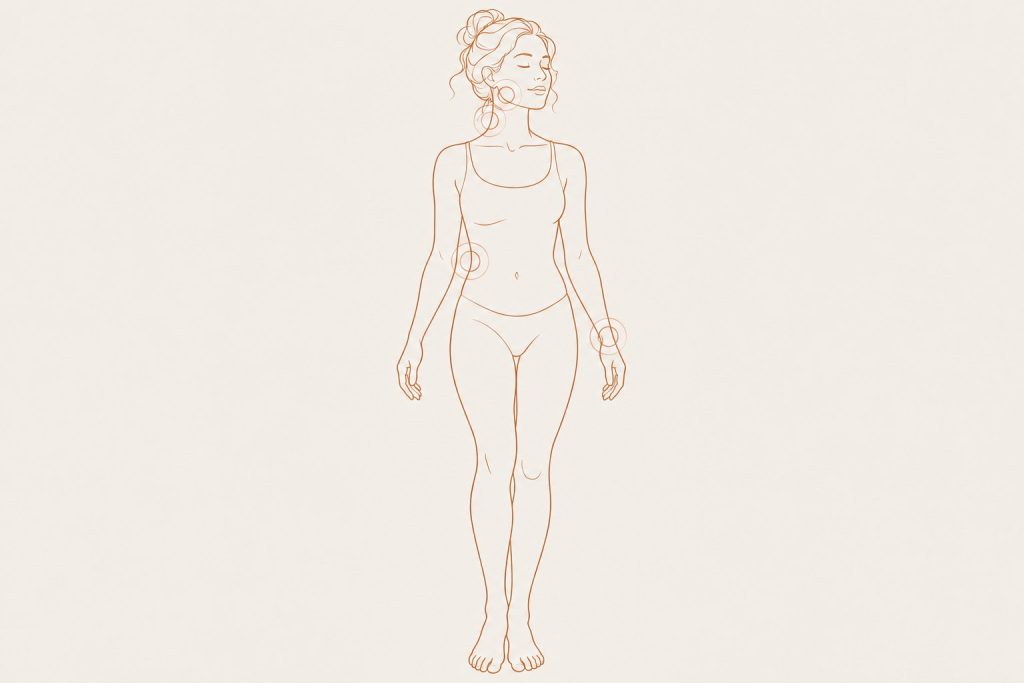
Below is the list people most often arrive with. For each one you’ll find how it tends to look when the nervous system is driving it, and what a doctor should rule out first. None of this is a diagnosis. It’s a map.
Jump to: Back pain · Neck and shoulders · Sciatica · Migraines · Fibromyalgia · Chronic fatigue · Dizziness · IBS · Carpal tunnel · Jaw pain (TMJ) · Pelvic pain · Knee pain · Shoulder and muscle pain · Wrist pain · Anxiety-related pain · Insomnia
What do TMS symptoms have in common?
Most TMS symptoms share a few traits. They started during a stressful period or without a clear injury. They come and go, or move from one place to another. They respond to emotions and context more than to physical load. Tests come back normal, or show findings that are common in people without pain.
Sarno also noticed that symptoms swap. Someone’s back pain fades and a month later their stomach acts up, or a headache starts. He called these “equivalents.” If your symptoms keep relocating, that’s a pattern worth noticing.
The TMS symptom list
Back pain
Lower back pain is the symptom Sarno wrote about most. TMS back pain often starts without a clear injury, or long after one should have healed. It may flare before a stressful meeting and ease on vacation. Scans often show disc bulges or degeneration that are common in pain-free people too.
Check first: fever, unexplained weight loss, a history of cancer, numbness in the groin, loss of bladder or bowel control, or weakness that is getting worse. Any of these need a doctor right away.
Neck and shoulder tension
Tight, aching neck and upper shoulders that lock up during busy weeks are common. The pain may jump sides, or hit both sides at once. It often sits alongside jaw clenching or headaches.
Check first: pain after a fall or car accident, arm weakness, or numbness that keeps spreading.
Sciatica
Sciatica is pain that runs from the buttock down the leg. TMS sciatica often changes sides, comes and goes, and doesn’t match what the MRI shows. Sarno saw it as one of the most common TMS presentations.
Check first: leg weakness, foot drop, numbness in the groin or saddle area, or changes in bladder or bowel control. These are emergencies.
Migraines and headaches
Tension headaches and many migraines are linked to stress and nervous system sensitivity. They often follow a pattern. Weekends after a hard week, or the day before a deadline.
Check first: a sudden “worst headache of your life,” headaches with fever and a stiff neck, vision loss, confusion or new headaches after age 50.
Fibromyalgia
Fibromyalgia means widespread pain, tiredness and tender spots. Pain science now places it in the nociplastic pain category, which is the same nervous-system mechanism TMS describes. Many people with fibromyalgia find mind-body approaches help.
Check first: thyroid problems, inflammatory arthritis and other conditions that can look similar. A rheumatologist can help sort this out.
Chronic fatigue
Persistent exhaustion that sleep doesn’t fix can overlap with TMS. Sarno listed fatigue among the equivalents. This one needs extra care. Chronic fatigue syndrome (ME/CFS) is a complex condition, and pushing through it can make some people worse.
Check first: anemia, thyroid problems, sleep apnea, depression and post-viral illness.
Dizziness
Dizziness that comes in waves, gets worse with anxiety and has no clear cause on testing can be nervous-system driven. Persistent postural-perceptual dizziness (PPPD) is one recognized version of this.
Check first: inner ear problems, blood pressure issues, heart rhythm problems and medication side effects.
IBS and bowel issues
The gut and the brain talk all the time. Irritable bowel syndrome (IBS) is one of the clearest examples of a stress-sensitive condition. Sarno listed it as a common TMS equivalent.
Check first: blood in the stool, weight loss, symptoms that wake you at night, anemia, or a family history of bowel cancer or inflammatory bowel disease.
Carpal tunnel syndrome
Hand and wrist pain, tingling and numbness are often blamed on typing. TMS versions tend to move between hands, ease when you’re absorbed in something fun and flare under work pressure. Sarno treated many people with repetitive strain injury (RSI).
Check first: nerve conduction testing if numbness is constant or your hand is getting weaker. Real nerve compression can need treatment.
Jaw pain (TMJ)
Jaw pain, clicking and clenching are tied to stress for many people. They often travel with neck tension and headaches.
Check first: dental problems, infection and arthritis of the jaw. A dentist or oral medicine specialist can check.
Pelvic pain
Chronic pelvic pain in women and men often has a strong nervous-system component. Chronic prostatitis with no infection and many cases of vulvodynia fall in this territory.
Check first: infection, endometriosis, ovarian cysts and other gynecological or urological causes. Get a full workup first.
Knee pain
Knee pain that started without an injury, moves between knees or doesn’t match the scan can fit the TMS pattern. Meniscus tears are common in pain-free knees too.
Check first: swelling, a knee that locks or gives way, redness or heat. These point to something structural or inflammatory.
Shoulder and muscle pain
Aching muscles and shoulders that hurt more on stressful days are some of the most common TMS symptoms. Rotator cuff changes on scans are common in pain-free people over 40.
Check first: a shoulder that has lost strength or range after an injury, or muscle pain with weakness, fever or dark urine.
Wrist pain
Wrist pain, like carpal tunnel, is often blamed on screens and keyboards. If the pain shifts sides, comes in waves or ignores how much you actually type, the nervous system may be driving it.
Check first: fractures after a fall, swelling or joint inflammation.
Anxiety-related pain
Chest tightness, stomach pain and muscle aches often come with anxiety. Anxiety and TMS feed each other. Fear of the pain turns the alarm up, and the pain feeds the fear.
Check first: heart problems if you have chest pain, especially with shortness of breath, sweating or pain spreading to the arm or jaw. Call emergency services for these.
Insomnia
A nervous system stuck on alert struggles to switch off at night. Poor sleep then makes pain louder the next day. Many people find sleep improves as their fear of symptoms drops.
Check first: sleep apnea, restless legs, thyroid problems, depression and medications that disrupt sleep.
Why do TMS symptoms move around?
TMS symptoms move because the source is the brain, not a single damaged spot. When one symptom loses its grip, often because you stopped fearing it, the brain may try another location. Sarno called this the symptom imperative. It can feel discouraging. Most people find it reassuring once they see it for what it is.
When should I see a doctor?
Always, before you decide a symptom is TMS. And right away for any red flag listed above. Our page Is my pain TMS? has the full list of red flags and the signs that point toward TMS.
Common questions
Lower back pain is the most common. Neck and shoulder pain, sciatica, headaches, wrist pain and irritable bowel syndrome are close behind. Many people have more than one.
Yes. Sarno included tingling, numbness and weakness among TMS symptoms. Numbness that is constant, spreading or paired with real weakness needs a doctor’s exam first.
Yes. Symptoms moving around is one of the strongest signs of TMS. Structural injuries stay where the damage is.
Fibromyalgia shares the same nervous-system mechanism TMS describes. Pain science now calls this nociplastic pain. Many people with fibromyalgia improve with mind-body approaches.
Yes. Sarno listed fatigue, dizziness, gut problems, tinnitus and some skin conditions as possible equivalents. Each needs a medical check before you treat it as TMS.
Your next step
If several of these sound familiar, the free guide will help you take the first week slowly. Or book a free 30-minute call and we’ll talk it through.
Keep reading
Written by Orian Tal. Orian is a psychotherapist in Tel Aviv. He has lived with pain no doctor could explain, and he now coaches people with TMS in English and Hebrew. More about coaching.
Last reviewed: October 2026. This page is for education. It does not replace a medical exam.