I have TMS. What now?
You’re not broken. Your nervous system learned a pattern that no longer serves you. This site will help you understand what’s happening and take your next step — gently.
Free: Your First Week With TMS
A short, calm walkthrough of what to do (and what not to do) in the days after discovering TMS.
What’s Actually Going On?
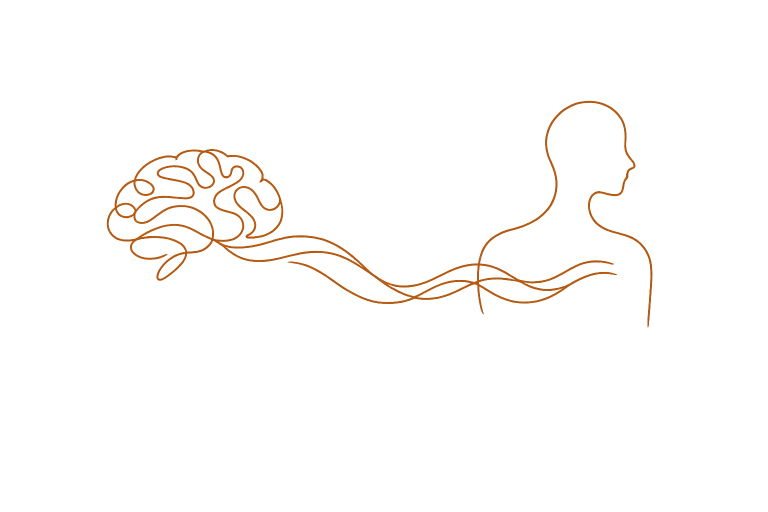
TMS — Tension Myositis Syndrome, also called Mind-Body Syndrome — is when real physical pain is driven by your nervous system rather than by structural damage in your body.
It was first described by Dr. John Sarno, and has since been supported by a growing body of research on neuroplastic pain. The short version: your brain learned to produce pain in response to stress, difficult emotions, or psychological pressure. The pain is real. But the cause isn’t a broken body — it’s a nervous system stuck in a pattern.
If you’ve been told there’s nothing physically wrong, if your symptoms move around or don’t respond to treatment, or if your pain gets worse with stress rather than activity — you might be in the right place.
Common symptoms people arrive here with..
This isn’t a diagnosis. It’s a starting point.

Hi, I’m Orian
I’m a therapist based in Tel Aviv. I work with people navigating TMS and neuroplastic pain, not to “fix” them,
but to help them understand what their body is trying to say.
I’ve been through this myself. I know what it’s like to be in pain that no one can explain. That experience, combined with my background in psychotherapy, is why this site exists.
I work in English and Hebrew with people who are dealing
with stress-related pain and the emotional weight that comes with it.
How People Usually Begin to Make Sense of TMS
There isn’t one right way forward. Most people start with one of these.
If you want someone to help you orient, ask questions, and slow things down.
Clear explanations written for people who feel overwhelmed — not experts.